

Public safety
The dangers of open water swimming
As heatwaves become more frequent, the temptation to cool off in local waterways is understandable — but the risks can be severe and sometimes fatal.
If someone is in difficulty in water — call 999 immediately. Do not enter the water yourself.
A summer of tragedy
This summer has seen a devastating number of deaths in open water across the country. In the heat, cold deep reservoirs, deceptively calm canals, and fast-flowing rivers claim lives every year — and Banbury and the surrounding area are no exception.
As your county councillor, I want to be direct: open water swimming in unsupervised locations carries risks that are not always visible until it is too late. This page sets out what those risks are, where they exist locally, and what you can do to stay safe.
Local hazards
Dangerous waters near Banbury
Three types of waterway present distinct and serious dangers to swimmers in and around Grimsbury and the wider Banbury area.
Cold deep water
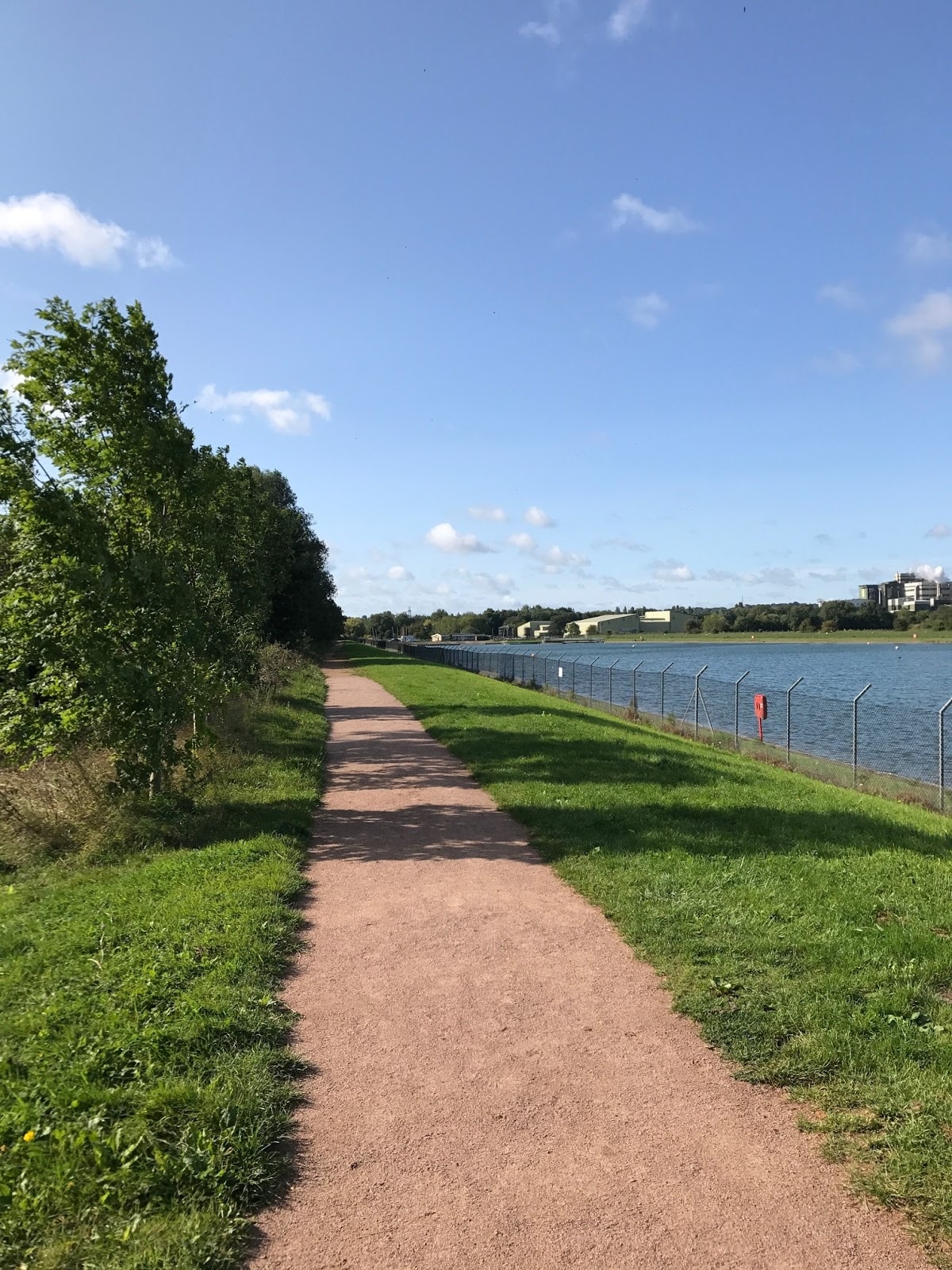
Grimsbury Reservoir
Grimsbury Reservoir may look calm and inviting on a hot day, but it is a cold, deep body of water. The temperature just below the surface can be dramatically lower than at the top — a phenomenon known as thermal stratification. Entering suddenly can trigger cold water shock, causing involuntary gasping, hyperventilation, and cardiac arrest within minutes.
- Cold water shock — the body's involuntary response to sudden immersion in cold water
- Hypothermia sets in rapidly even in summer months at depth
- No lifeguard provision or rescue equipment on site
- Weeds can entangle you.
Hidden underwater hazards
Oxford Canal
The Oxford Canal runs through the heart of our community and appears peaceful and shallow. In reality, canal water conceals a range of serious hazards beneath its murky surface. Visibility is near zero, and the bed is uneven, littered with debris, and can trap limbs. Be careful around locks, lift bridges and weirs.
- Zero visibility — you cannot see what is beneath you
- Submerged debris including metal, rope, and discarded objects
- Boat traffic — propellers and hulls are a serious risk
- Weeds and mooring lines can entangle and trap swimmers
- Water quality — canals carry bacteria and pollutants harmful to health
Fast-flowing water
River Cherwell
The River Cherwell flows through and around Banbury and can rise and accelerate rapidly, particularly after rainfall. Even when it appears slow-moving, currents beneath the surface can be powerful enough to overwhelm a strong swimmer. Weirs and sluice gates create sudden drops and powerful undertows that are invisible from the bank.
- Deceptive surface currents — the river can be faster than it looks
- Weirs create powerful recirculating currents that trap swimmers underwater
- Water levels rise rapidly after rainfall upstream
- Overhanging vegetation and tree roots trap and disorient swimmers
The silent killer
Understanding cold water shock
Cold water shock is the leading cause of open water drowning deaths in the UK. It occurs within the first 30 seconds of entering cold water and causes an uncontrollable gasp reflex, rapid breathing, and panic. Even strong, fit swimmers are not immune.
Water does not need to be icy to trigger cold water shock. Water below 15°C — which is common in UK reservoirs and rivers even in summer — is enough. The shock response can cause cardiac arrest in otherwise healthy people.
Crucially, cold water shock is not the same as hypothermia. Hypothermia takes time to develop. Cold water shock kills in seconds.
0–30 seconds — Cold shock response
Involuntary gasping, hyperventilation, and panic. Risk of inhaling water and cardiac arrest.
30 seconds–3 minutes — Swimming failure
Loss of muscle control in the limbs. Even strong swimmers lose the ability to stay afloat.
3–30 minutes — Hypothermia
Core body temperature drops. Confusion, loss of consciousness, and drowning follow.
If someone is in difficulty in water — call 999 immediately. Do not enter the water yourself.
In an emergency
If someone gets into difficulty
Do not enter the water to attempt a rescue — you risk becoming a second casualty. Follow these steps:
Call 999 immediately
Tell the operator you have a water emergency. Ask for the Fire and Rescue Service and Ambulance.
Shout reassurance
Tell the person to float on their back and keep calm. Do not encourage them to swim — it accelerates heat loss.
Throw, don't go
Throw anything that floats — a rope, a ball, a plastic bottle, clothing tied together. Never enter the water yourself.
Reach from the bank
If safe to do so, lie flat and extend a branch, belt, or item of clothing for the person to grab.
Stay on the line
Keep talking to the person and to the 999 operator until emergency services arrive.
Councillor Paul-Austin Sargent
A word from your councillor
Every one of these deaths is a tragedy that could have been prevented. I am using my platform as an Oxfordshire county councillor to increase safety signage, improve access to throw lines at key locations, and work with schools to deliver open water safety education before the next summer.
I have raised the issue of open water safety at county level and will continue to do so.
If you have concerns about a specific location in the Banbury Grimsbury & Castle electoral division, please contact me directly. I want to hear from residents and I will take up your concerns with the relevant authorities.
Stay cool safely
Safe ways to beat the heat
If you or your family need to cool down during a heatwave, there are safe alternatives to open water swimming.
Banbury Spiceball Leisure Centre
The pool at Spiceball and the lido at Woodgreen are supervised, lifeguarded, and the safest way to swim in Banbury.
Cool spaces
Libraries, old churches (Like St Mary's), community centres, and shaded parks (like Causeway) offer relief from the heat.
Paddling pools and water play
Supervised paddling areas for children are a safe alternative to rivers and reservoirs.
Stay hydrated indoors
During peak heat (11am–3pm), staying indoors with windows shaded is the most effective way to avoid heat-related illness.
If someone is in difficulty in water — call 999 immediately. Do not enter the water yourself.
Related pages