

A vision for Banbury's economy
Artisanal Incubators
Banbury has always been a town of makers. It is time to make it one again — by giving skilled, creative people the space, tools and support they need to build businesses that are genuinely worth having.
The Challenge
Why Banbury Needs a Different Kind of Economy
Explore Banbury's central streets and get lost in its charming medieval lanes today and you will see what decades of out-of-town retail development, national chain dependency and the rise of online shopping have left behind. Empty units. Shuttered windows. A town centre that has lost much of the character and vitality it once had.
The answer is not to wait for another national chain to exploit our retail economy, we need business invested in Banbury to create its products here, train its artisans here and reinvest its profits here. That chain-store model is broken. What Banbury needs is something more rooted, more resilient and far more interesting: a genuine artisanal economy, nurtured from within, built on the skills and creativity of our own people. You should have to experience our town, where most of our products are not available online, buyers have to come here.
An artisanal incubator is the practical mechanism for making that happen. It is a shared, affordable workspace where makers — of objects, of food, of drink, of art — can start and grow businesses without the crushing overhead of a full commercial lease and a building full of equipment they cannot yet afford.

What an artisanal incubator offers
The practical building blocks
An incubator is not just a building. It is a programme — a combination of affordable space, shared equipment, business support and a community of fellow makers that lowers the barriers to entry and raises the chances of success.
Affordable Workshop Space
Low-cost bench, studio or kitchen space on flexible monthly terms — no long commercial leases, no punishing upfront costs. Makers pay for what they use and scale as they grow.
Shared Tools & Equipment
Kilns, lathes, printing presses, looms, commercial ovens, fermentation vessels, cheese-making vats — equipment that no individual could justify buying alone, available to all members.
A Shared Retail Presence
A collective shopfront, market stall or pop-up space where members can sell their work without each needing their own unit. Customers come for the variety; makers benefit from the footfall.
Business Support
Help with pricing, marketing, online selling, food hygiene certification, accounting and the basics of running a small enterprise — so makers can focus on making.
Mentorship & Community
Connecting new makers with experienced craftspeople who have already built sustainable businesses. Knowledge shared freely, skills passed on, a community that supports itself.
A Route to Independence
The incubator is a launchpad, not a permanent home. The goal is for businesses to grow strong enough to take their own premises — and for new makers to take their place.

Arts & Traditional Crafts
The makers of objects
Traditional craft skills are the foundation of a genuinely distinctive local economy. Potters, woodworkers, leatherworkers, weavers, jewellers, printmakers, glassblowers, blacksmiths, bookbinders, ceramicists, tailors and textile artists — these are not hobbies dressed up as businesses. They are the foundation of what, for most of human history, a town's economy actually looked like.

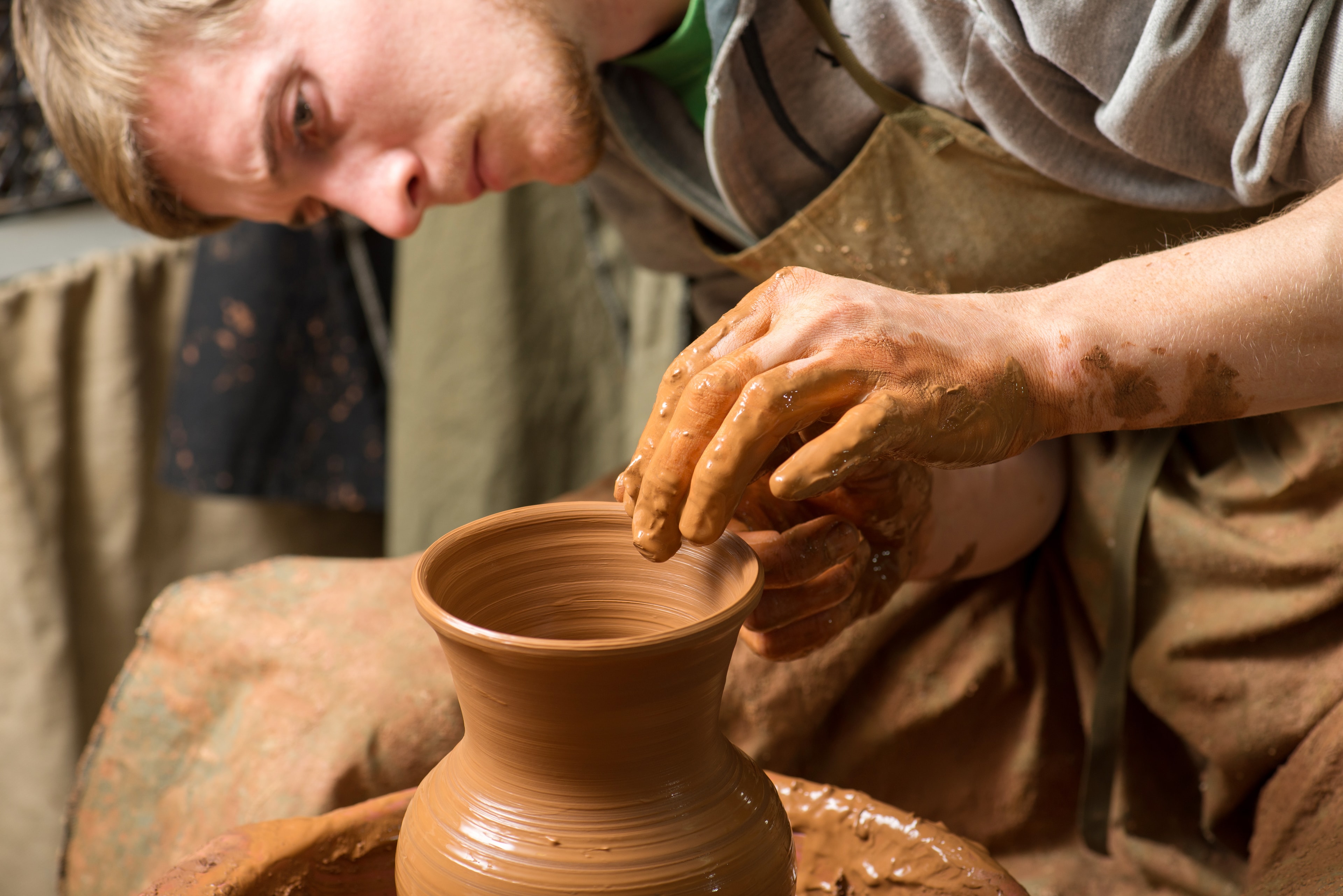
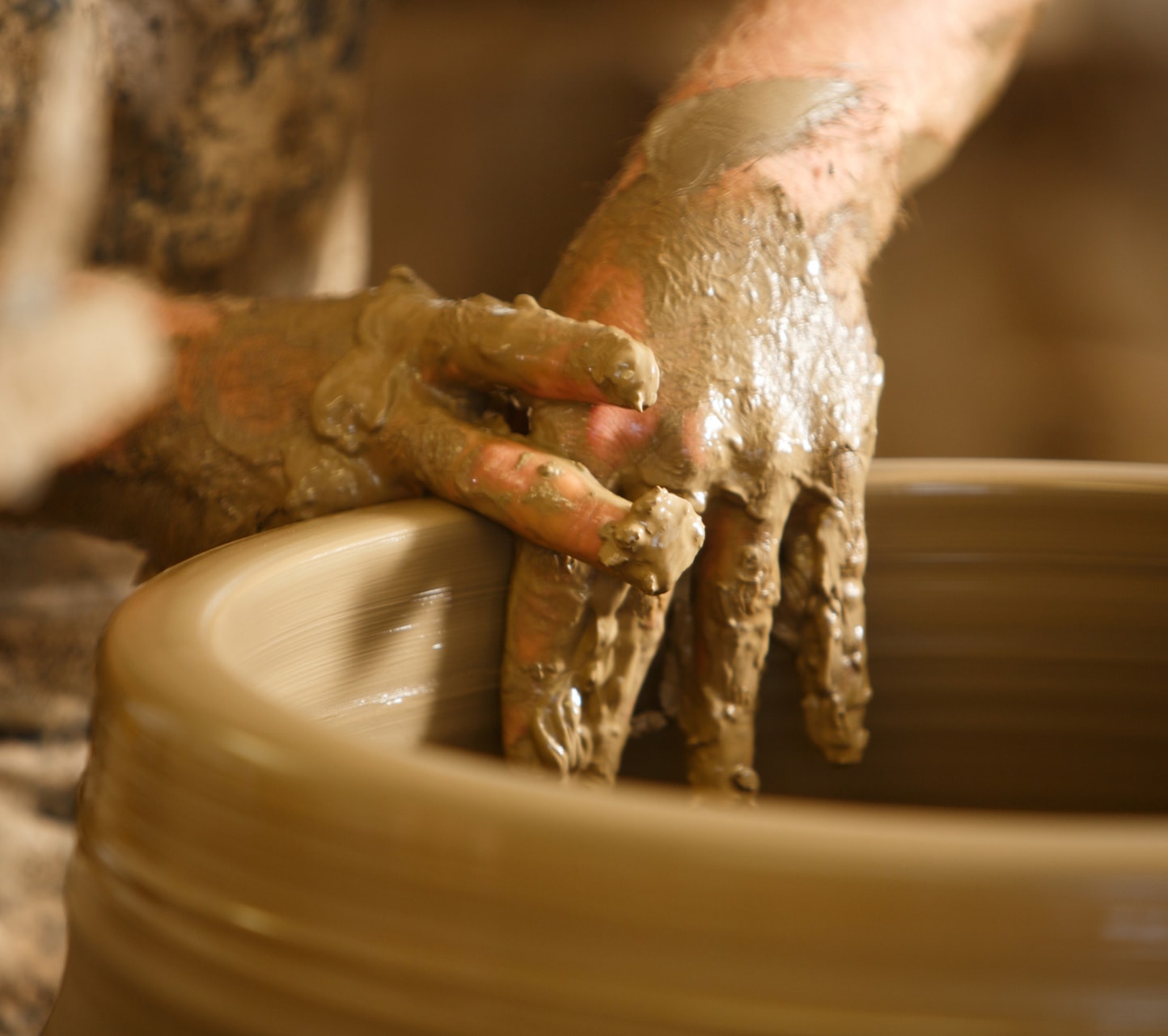
Pottery & Ceramics
Wheel-thrown and hand-built ceramics, from domestic tableware to sculptural art. Shared kiln access makes this viable for new makers. Making ceramics is fascinating to watch and could provide micro tourism opportunities.
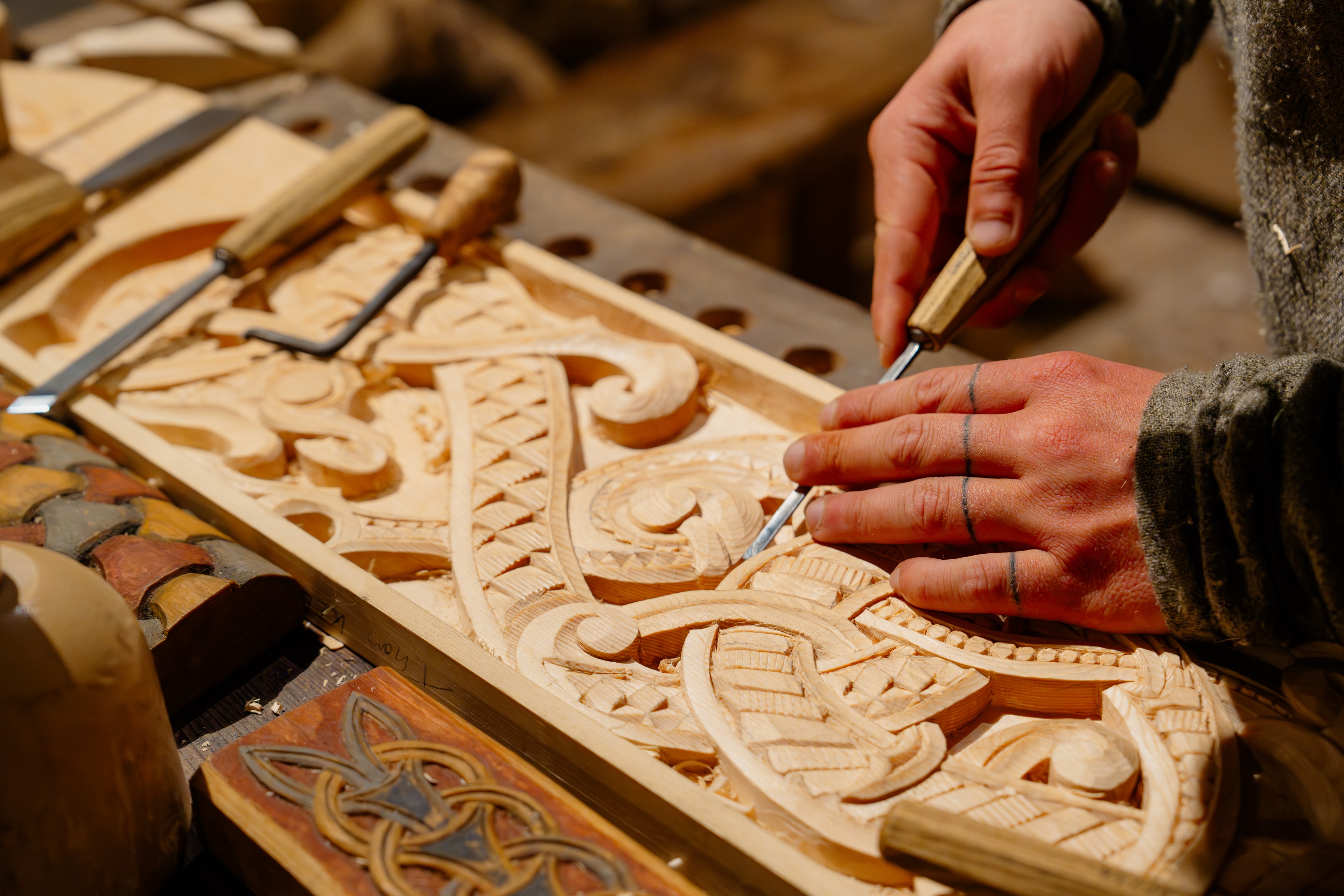
Woodworking & Joinery
Furniture, bodging, carving, turning and decorative woodwork. Banbury's rural hinterland provides a natural supply of timber and a ready market for quality pieces.
Textiles & Weaving
Felt making, hand-weaving, natural dyeing, embroidery and garment-making. Oxfordshire has a long textile heritage that deserves to be revived. Felt making is a craft historically associated with our town - it is now an endangered craft.
Printmaking & Bookbinding
Letterpress, screen printing, linocut and the ancient craft of bookbinding — skills with a passionate following and a growing market for handmade, limited-edition work.
Jewellery & Metalwork
Silversmithing, blacksmithing, casting and enamelling. Shared forge and bench space makes these crafts accessible to makers who cannot afford their own workshop.
Leatherwork & Saddlery
A craft with deep roots in Banbury's market town history. Bags, belts, harnesses and bespoke commissions for a market that values quality and provenance.
Food, drink & local production
The makers of things you can taste
Food and drink production is one of the most accessible entry points for artisan enterprise — and one of the most powerful drivers of local identity. A town with its own brewery, its own bakery, its own cheesemaker and its own confectioner is a town with something to be proud of and something to draw visitors in.

Craft Beer & Brewing
Shared fermentation vessels, conditioning tanks and bottling equipment. Hunt Edmunds and Austin are both proud names in our collective brewing past. Banbury's water profile and access to Oxfordshire barley and hops make it a natural home for a microbrewery collective.
Artisan Bread & Bakery
Commercial deck ovens, proving equipment and milling facilities. Sourdough, rye, spelt and heritage grain loaves — the kind of bread that builds a loyal following and a destination reputation. Our own Banbury Cake needs to be revived.
Cheese & Dairy
Pasteurisation equipment, ageing rooms and pressing facilities. Oxfordshire has a rich dairy tradition; Banbury cheese — is making a come back and a new cheese associated with the town, soft, aged or blue — could become a genuine regional product.
Confectionery & Chocolate
Banbury cakes are already famous. A confectionery incubator could revive that tradition and add new products — hand-made chocolates, sugar work, preserves and patisserie.
Preserves, Sauces & Condiments
Commercial kitchen space with bottling and labelling facilities. Jams, chutneys, hot sauces, pickles and fermented foods — products with long shelf lives and strong online and market sales.
Soft Drinks & Fermented Beverages
Kombucha, kefir, shrubs, botanical sodas and non-alcoholic ferments. A fast-growing market with low barriers to entry and strong appeal to health-conscious consumers.
Learning from others
Incubators that have transformed English towns
Banbury would not be the first. Across England, towns that backed their own makers have been transformed — not by inward investment from outside, but by the talent that was already there.
Frome, Somerset
Frome Independent Market & Cheese & Grain
Frome deliberately cultivated its independent and artisanal economy over two decades. The monthly Independent Market draws thousands of visitors; the Cheese & Grain venue anchors the town's creative identity. Frome is now a destination in its own right — and property values have followed.
Stroud, Gloucestershire
Stroud Valleys Artspace & Farmers' Market
Stroud Valleys Artspace provides affordable studios for visual artists and makers. Combined with the UK's oldest certified farmers' market, Stroud has built an economy rooted in local production and creative enterprise that draws visitors from across the region.
Hebden Bridge, West Yorkshire
The Trades Club & Maker Spaces
Once a declining mill town, Hebden Bridge reinvented itself through arts, crafts and independent enterprise. Affordable studio and workshop space attracted makers who could not afford cities; the town now has a thriving creative economy and a strong visitor economy.
Totnes, Devon
Totnes REconomy Project
The REconomy Project in Totnes explicitly set out to build a local economy based on local skills, local resources and local enterprise. It has incubated dozens of small businesses in food, craft and creative industries — and inspired similar projects across the country.
Hastings, East Sussex
Hastings Arts Forum & Rock House
Hastings transformed a struggling seafront through affordable artist studios and maker spaces. Rock House and the wider creative quarter attracted makers, galleries and food producers — regenerating an area that had seen decades of decline.
Ludlow, Shropshire
Ludlow Food Festival & Marches Food Hub
Ludlow built its entire post-industrial identity around food. The annual Food Festival is one of England's finest; the Marches Food Hub provides shared production facilities for small food businesses across the region. Ludlow is proof that food can anchor a whole town's economy.
Get involved
This will only work if we build it together
I am actively exploring what it would take to establish an artisanal incubator in Banbury. That means talking to property owners about suitable spaces, engaging with Cherwell District Council about planning and business support, and speaking to makers, artists and craftspeople across the division about what they actually need. I want to hear from you.
I am a maker looking for space
Tell me what you make, what you need, and what you could afford. Your voice will shape what we build.
I have a suitable property or space
Empty units, redundant industrial buildings, underused community spaces — if you own or manage something that could work, please get in touch.
I want to support the initiative
Whether you are a business, a community organisation or simply a resident who wants to see Banbury thrive, your support matters.
The vision document
Charting the Void
From Market Town to Maker Town
Read the full vision for transforming Banbury's empty units and underused public spaces into a thriving network of artisanal incubators — and what it could mean for the town's economy, identity, and community.