

A future vision for Banbury
Forest of Banbury
A vision to transform our town — planting trees, building community, and creating a cooler, more vibrant place for everyone.
Growing a better Banbury
How trees can secure Banbury's future
Banbury is a lovely market town with enormous potential to make its green spaces even better. The Forest of Banbury is my vision for doing exactly that — a long-term, community-rooted programme to plant trees, restore hedgerows, create cool places and bring people together around the natural environment.
This isn't just about planting trees. It's about reviving a sense of place, supporting local livelihoods, improving public health and ensuring Banbury is resilient to the hotter summers that climate change is already bringing.
Bringing people together
Connecting generations, building real community
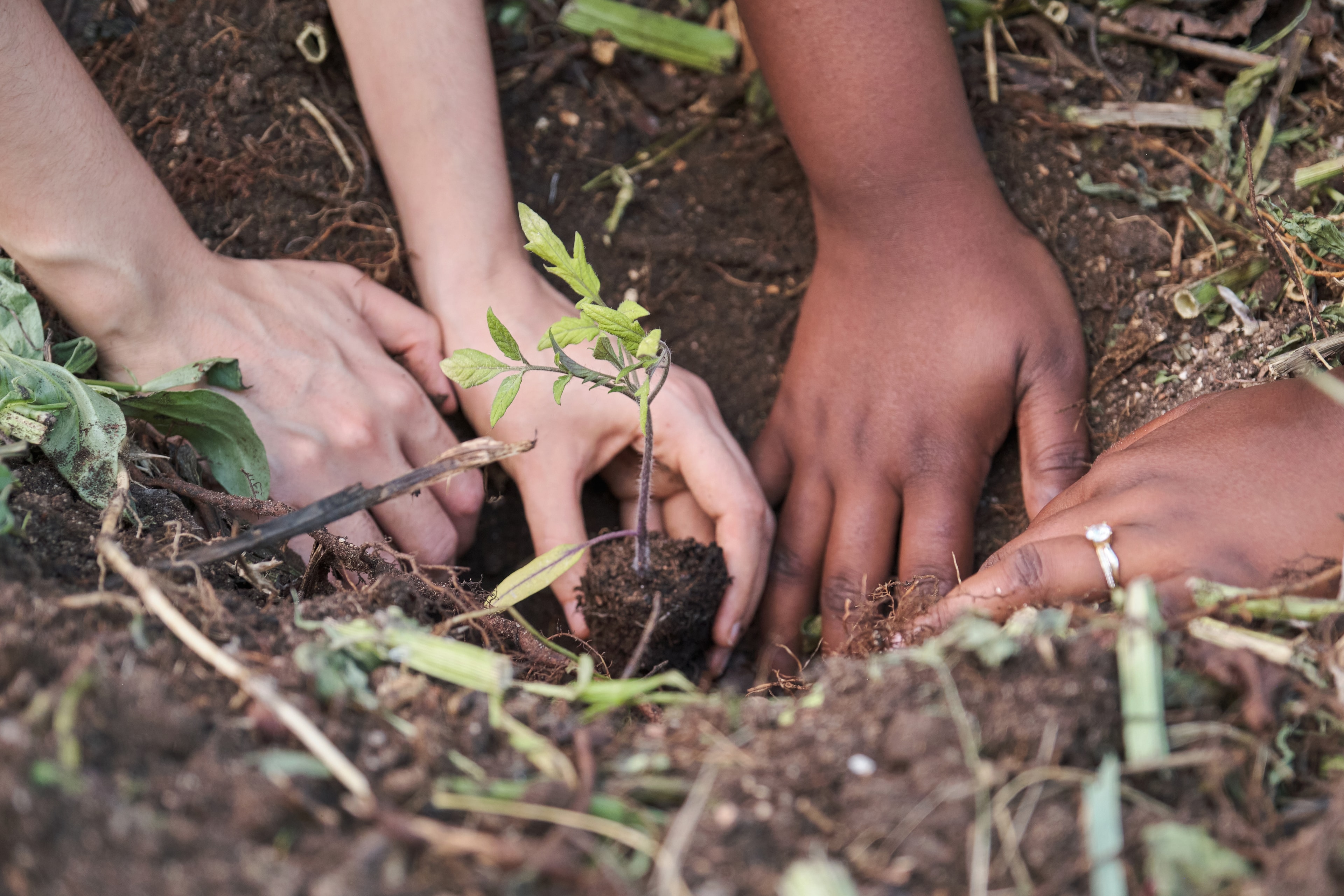
The programme focuses on six key areas where tree planting can make a real difference:
Verges and roadside areas
Planting trees along roads to create shade and beauty, using native species that support local wildlife and biodiversity.
Hedgerows and field boundaries
Restoring old hedgerows with a mix of trees and shrubs, creating wildlife corridors that help birds, bees and other species move freely through the landscape.
Parks and public gardens
Adding more trees to give shade and create places to sit and play, and turning unused patches of land into pocket woodlands.
Community orchards
Planting orchards in public spaces, involving local schools in choosing which trees to plant, and working with gardening groups and other organisations such as the University of Oxford Botanical Gardens and the RHS.
Community cohesion
Various projects designed to promote community cohesion would sit within the overall framework. For example, many of the trees planted through the programme will have a young guardian — a local child whose name appears on a carved wooden plaque attached to their tree.
Economic development
The Forest of Banbury has the potential of attracting inward investment that helps to develop the town. Development should be of the town, not in the town.
Climate & Cooling
Keeping Banbury cool
Trees are one of the most effective tools we have against extreme heat. They can lower local temperatures by up to 8°C — a significant difference for residents, especially children, the elderly and those with health conditions.
Shade
Tree canopies block direct sunlight, keeping streets, pavements and playgrounds several degrees cooler. Shading and its cooling effect is not only good for humans, it's a great way of protecting infrastructure like roads and pavements.
Evapotranspiration
Trees release moisture into the air, naturally cooling their surroundings on hot days. Play areas, for example, that benefit from tree cooling are useable, even in the most extreme of heat events.
Heat island mitigation
Urban areas trap heat in concrete and tarmac. We could consider installing living walls on homes to help cool them in the summer, insulate from the cold in the winter and support biodiversity.
Comfortable public spaces
Shaded spots and tree-lined paths encourage people to walk, cycle and gather outdoors even in hot weather.
Future resilience
Well-planned tree cover makes Banbury stronger against the more frequent extreme heat events that climate change will bring.
Shading infrastructure
Trees offer protection to roads in extreme heat — a shaded road surface is unlikely to melt. In winter, infrastructure is protected from extreme cold and sheltered from high winds.
Culture & Celebration
Celebrating trees through culture
The Forest of Banbury should be woven into the life of the town — celebrated through events that draw on Banbury's rich history and diverse neighbourhoods.
Beltane tree ceremonies
Celebrating old Celtic traditions with tree-decorated maypoles, gifts for oak and hawthorn trees, and stories shared by the community.
Anglo-Saxon woodland gatherings
Banbury was founded by the Saxons. Recreating historical woodland meetings and open-air feasts where storytellers share the cultural importance of ash and elm trees in early English life.
Contemporary global culture tree day
Bringing together Banbury's diverse neighbourhoods to plant trees, share cultural foods under shaded canopies and celebrate tree-themed art drawn from heritages across the world.
Annual wassailing
A happy seasonal tradition in community orchards — singing wassail songs, making noise and offering toast soaked in cider to the trees. I think it would be a shame not to include wassailing.
Annual Calendar
Growing Banbury's sub-regional GRP
Expanding Banbury's economy & encouraging inward investment
The Forest of Banbury should be a key driver of economic growth. If the Banbury Sub-region's Gross Regional Product doesn't grow, the project won't fulfil its potential.
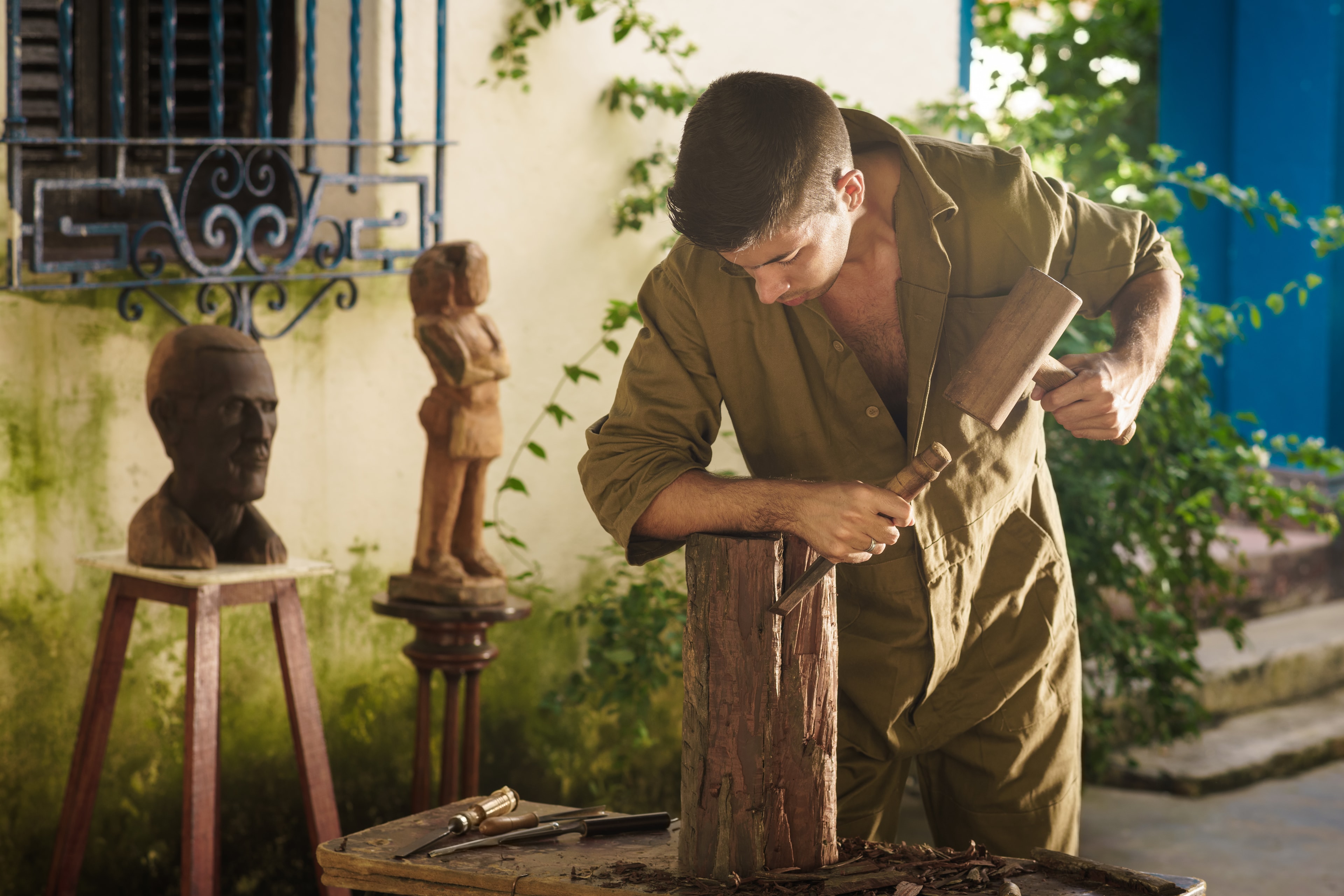
I'd like to see an Artisanal Incubator Scheme — giving young artists, jewellers, bakers, brewers, chandlers, furniture makers, saddle makers, wood turners and stone, wood and metal sculptors a place to work. Banbury once had some rather special local products: cheeses, beers, cakes and bread. We could bring that back.
The forest connects directly to this economy: wood products like furniture making, sculpting, hedge laying and hurdle making; forest food products like nuts, fruits, fungi and meats from woodland-raised animals. Artisanal workshops with viewing areas could become tourist attractions in their own right, drawing visitors who have to come to Banbury to experience something they simply cannot find online.
Agricultural Advisory
Supporting local farmers
We could help farmers by advising on hedges punctuated with standard trees — improving pollination, reducing wind and rain erosion and providing shade for cattle. Trees can also provide potential new crop types, such as nuts. This advisory service could also become a source of income for the project.
Social Care
Social care and community wellbeing
The Forest of Banbury has a strong social care dimension. I'd like to see social prescribing of arboriculture projects, wildflower planting and woodland care — connecting people to nature as part of their health and wellbeing.
Veterans could be involved, particularly through the artisan incubators, helping to develop a trade following a term of service.
Care homes could participate in specific local planting projects. Public Health should be a key partner, given how much of this programme is about encouraging healthy, active lifestyles.
I'm also confident this will contribute to Marmot Place — Banbury's commitment to reducing health inequalities. We should be able to support people at every stage of life.
Looking Ahead
What happens next
I'd like to work with council officers to develop a Theory of Change/project manage for the Forest of Banbury. The project needs to be co-produced with local people from the outset, and I'm committed to making sure it is. The Forest of Banbury can only succeed if driven by local people.
It is also crucial that the Forest of Banbury is designed to endure Local Government Reorganisation and successfully transition following our move to, new unitary authority. This is a long-term project, and it needs to be built on solid foundations.
Choosing the right trees for the right locations, a programme of ongoing management e.g. pollarding — and building root deflectors where needed — will be essential.
Choosing the right trees for the right locations — and building root deflectors where needed — will be essential.
Get Involved
Get involved
The Forest of Banbury will only succeed if it is genuinely community-led. If you have ideas, want to get involved, or simply want to know more, I'd love to hear from you.
Integrated Transport & Landscape Vision V1.1
Paul-Austin's comprehensive vision document for a more connected resilient Banbury.