

Campaign
Roads and transport
Banbury's roads and transport infrastructure face mounting pressures — from potholed streets and heat-damaged surfaces to an ageing railway bridge that urgently needs replacing. Paul-Austin Sargent is pushing for investment, accountability, and safer roads for every resident.
Our roads are under pressure
Road maintenance is one of the most visible and felt responsibilities of Oxfordshire County Council. When roads deteriorate, it affects every resident — drivers, cyclists, pedestrians, and businesses alike. In Banbury Grimsbury and Castle, the condition of our roads is a constant concern.
Paul-Austin is actively pressing the county council and other responsible bodies to invest in our road network, adopt modern materials and techniques, and plan ahead for the challenges that climate change is already bringing to our highway infrastructure.
Surveying every road
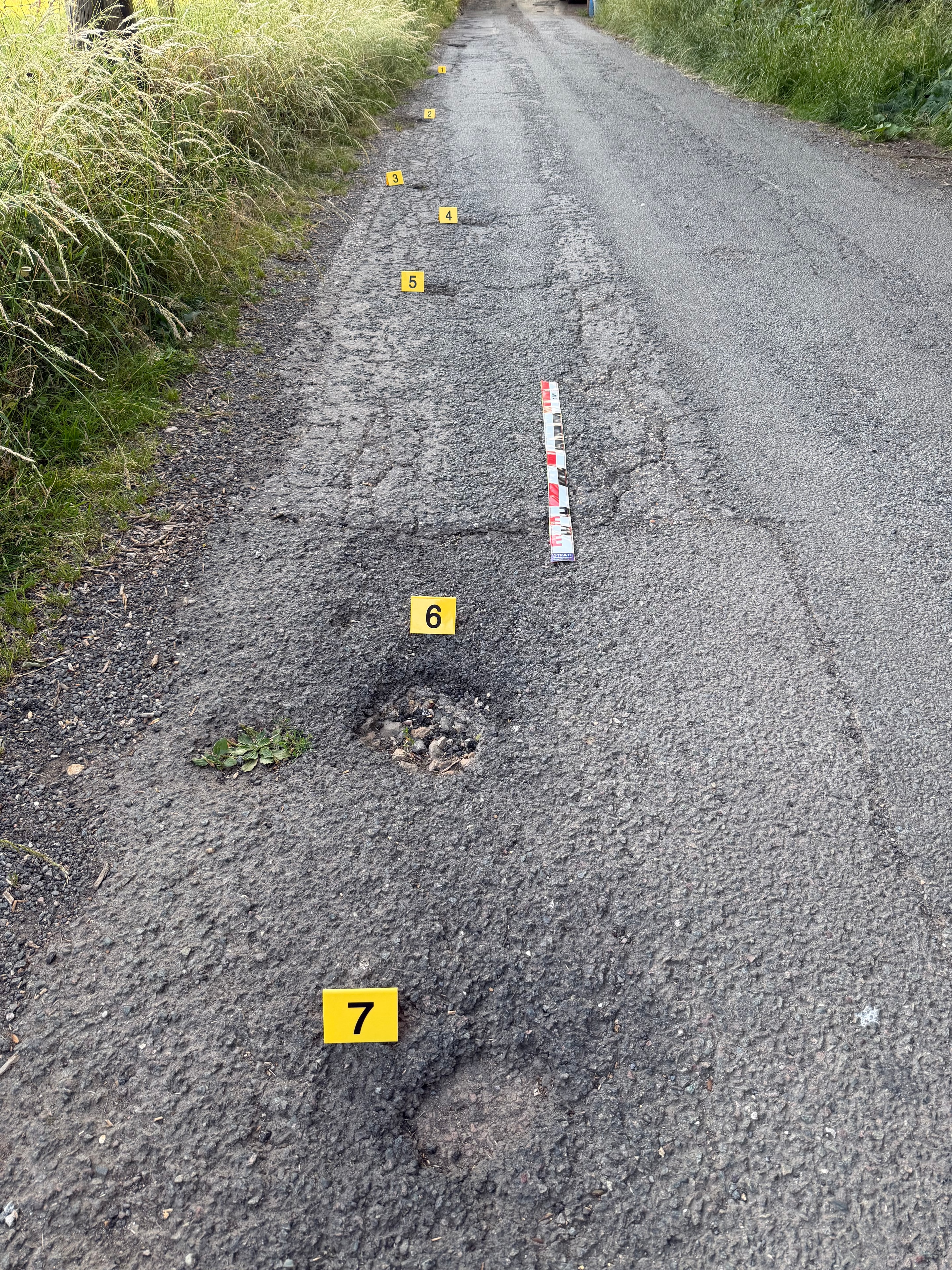
Paul-Austin and his team of volunteers are conducting a systematic survey of roads across the Banbury Grimsbury and Castle electoral division — documenting every pothole, surface defect, and drainage failure with numbered evidence markers.
The survey data is being compiled and will be used to hold Oxfordshire County Council to account, prioritise repairs, and make the case for greater investment in our local road network.
Potholes and road surface failure
Potholes are more than an inconvenience — they damage vehicles, create hazards for cyclists and motorcyclists, and signal deeper structural failure in the road surface. Banbury's roads, like many across Oxfordshire, have suffered years of under-investment. Paul-Austin is pressing the council to accelerate repair programmes in this electoral division and adopt a more proactive, preventative approach to maintenance rather than waiting for surfaces to fail completely.
Roads melting in intense heat
As summers grow hotter, road surfaces are increasingly vulnerable to heat damage. Bitumen binder can bleed to the surface when temperatures exceed 50°C, reducing skid resistance and causing rutting and cracking. Paul-Austin has asked the county council about plans to transition to polymer-modified asphalts, higher-grade bitumen, and reflective 'cool pavement' technologies that are designed to withstand intense summer temperatures — protecting both the road network and the safety of those who use it.
Road safety
Road safety encompasses speeding, dangerous junctions, inadequate signage, and the needs of vulnerable road users including pedestrians, equestrians, cyclists, and children travelling to school. Paul-Austin works with residents and local groups to identify safety concerns and raise them with the county council and Oxfordshire's Vision Zero programme, which aims to eliminate fatal and serious collisions on the county's roads.
The Banbury station bridge — a Network Rail responsibility
The bridge on the approach to Banbury railway station is owned and maintained by Network Rail. It is ageing, structurally weak, and not built to modern standards. This bridge is a critical piece of infrastructure for residents, commuters, and businesses in the area. Paul-Austin is putting pressure on Network Rail to commit to replacing the bridge and is working with partners to ensure this vital piece of infrastructure is not allowed to deteriorate further. Network Rail must be held to account.
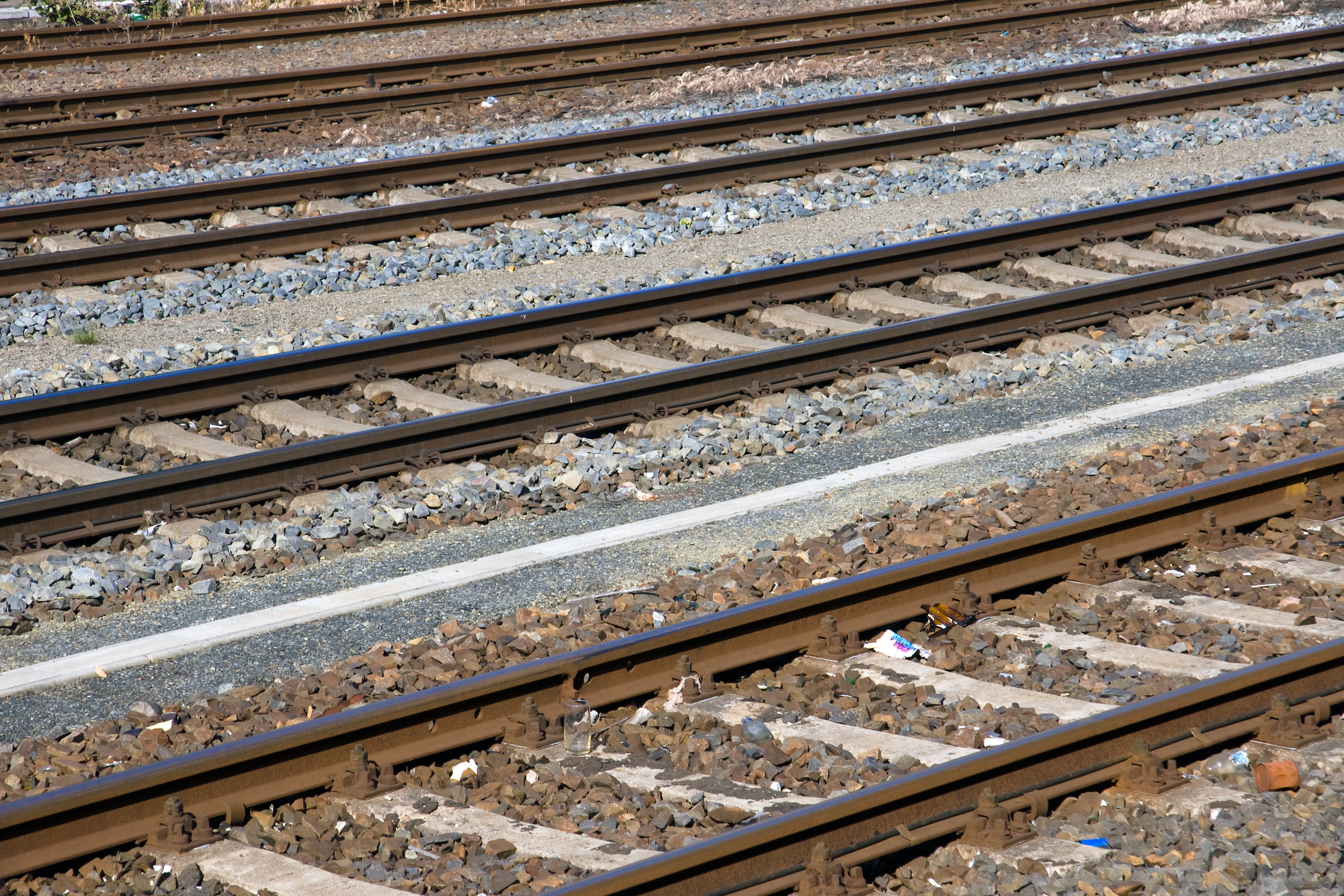
Paul-Austin is holding Network Rail to account.
Holding Network Rail to account
The Banbury station bridge is Network Rail's responsibility — but that does not mean local residents and their elected representatives should simply wait and hope. Paul-Austin is raising this issue at every opportunity, working with fellow councillors and community groups to build the pressure needed to secure a commitment from Network Rail to replace this bridge with a structure fit for the 21st century.
Road retexturing and modern materials
Road surface retexturing is a fast, cost-effective maintenance method that restores skid resistance by cleaning off excess bitumen and re-exposing the aggregate beneath. It is an alternative to full resurfacing and can significantly extend the life of a road surface at a fraction of the cost.
Paul-Austin has asked the county council for details of retexturing plans for roads in the Banbury Grimsbury and Castle electoral division — including the A422 Ruscote Avenue — and has called for confirmation that Oxfordshire is actively transitioning to modern, heat-resilient road materials.
Local Cycling and Walking Infrastructure Plans
Local Cycling and Walking Infrastructure Plans — known as LCWIPs — are strategic documents that set out how a local area will improve conditions for people who walk and cycle. Oxfordshire County Council is responsible for developing and delivering LCWIPs across the county, working with district councils and local neighbourhoods to identify priority routes and infrastructure improvements.
For Banbury Grimsbury and Castle, well-designed LCWIPs could mean safer crossings, improved footways, new or upgraded cycle routes, and better connections between residential areas, schools, the town centre, and public transport. These improvements benefit everyone — reducing congestion, improving air quality, and making active travel a genuine option for more residents.
Paul-Austin is engaging with the LCWIP process to ensure that the needs of this electoral division are properly represented. He is pressing for the Banbury West and the Banbury East LCWIP routes to reflect how residents actually travel — including connections to Grimsbury, the Ruscote estate, and key destinations such as Banbury railway station and the town centre — and for timelines and funding commitments that will turn plans into reality.
Related campaigns