

Campaigns.
Towpath active travel
The Oxford Canal as a sustainable transport corridor for Banbury
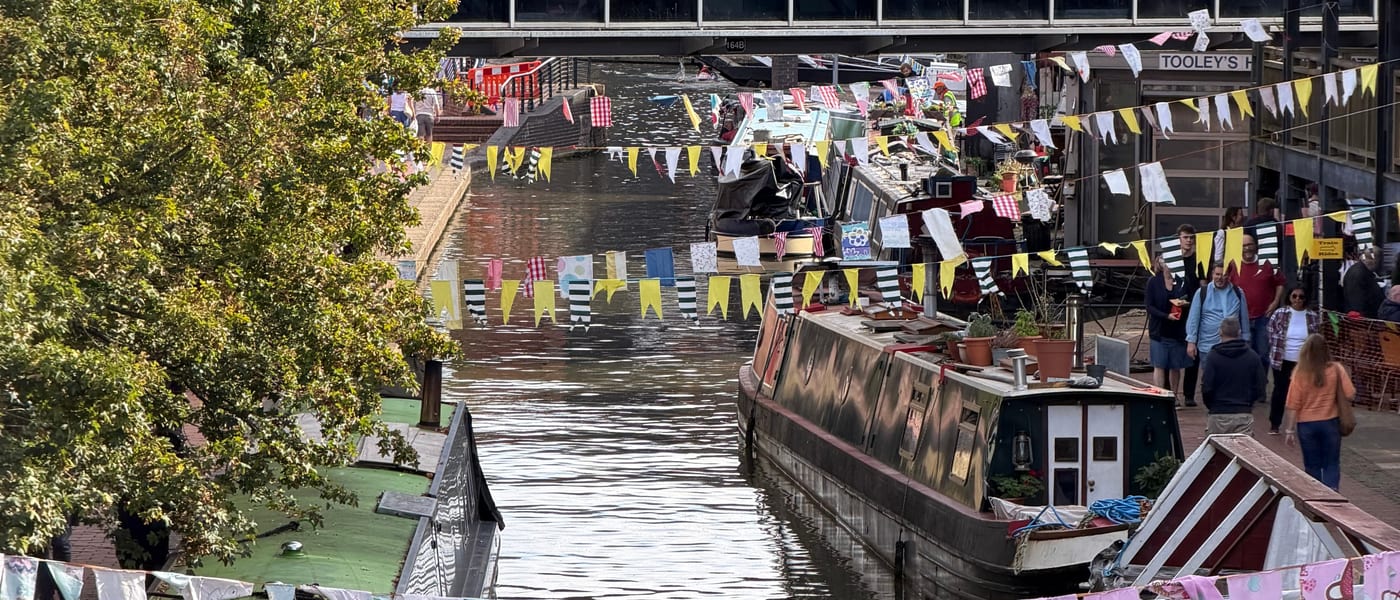
The Oxford Canal provides a unique opportunity to strengthen active travel in Banbury, offering a largely traffic-free route that connects communities, schools, workplaces and recreational destinations.
Route
Bridge 161 to Bridge 172
Neithorpe to Twyford along the Oxford Canal
Travel modes
Walking, wheeling & cycling
Traffic-free and accessible for all ages and abilities
Key benefit
Reduced car dependency
Connecting homes, schools, workplaces and amenities
Bridges along the route
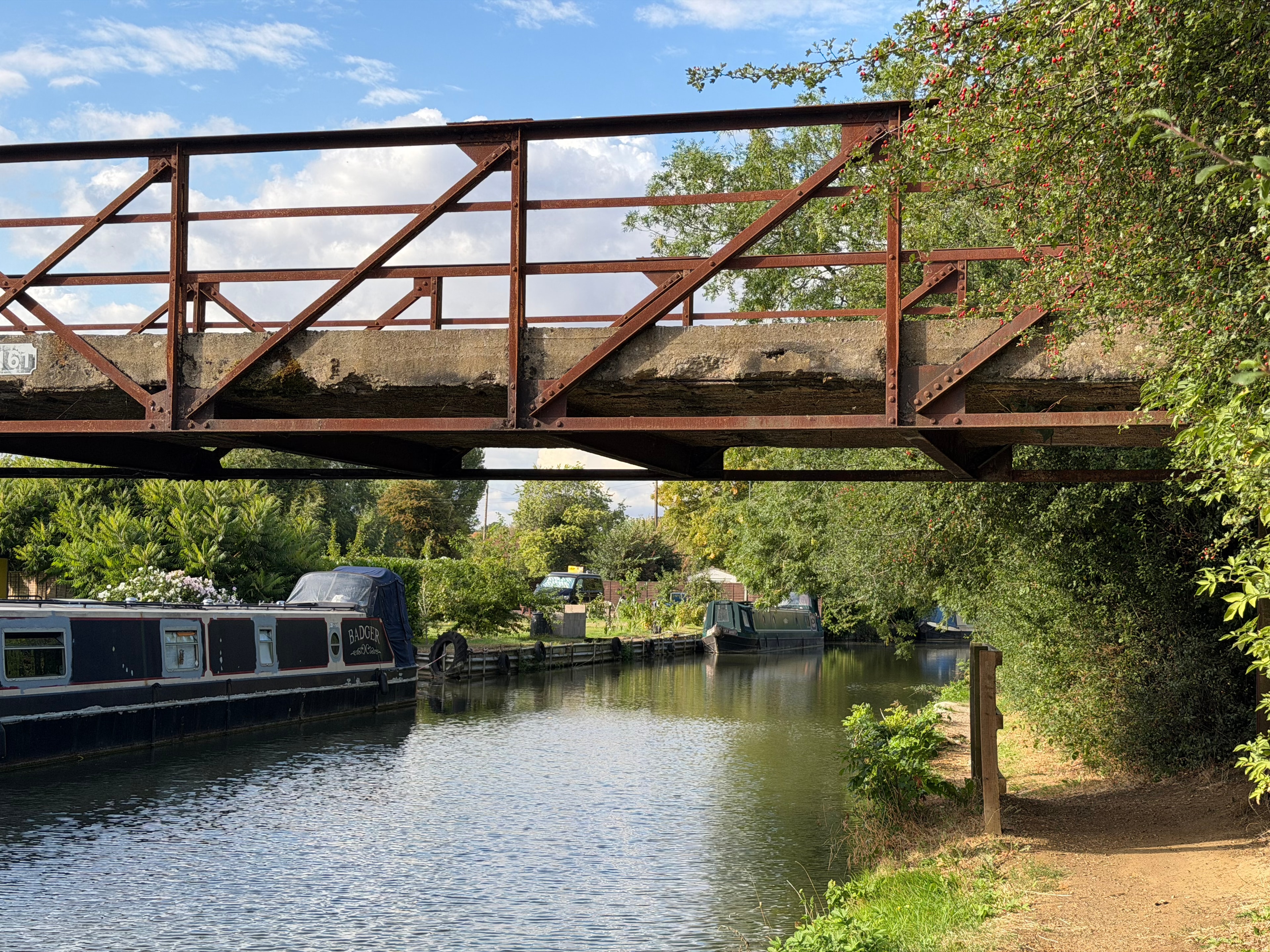
Neithorpe
The northern start of the active travel corridor at Neithorpe Bridge.
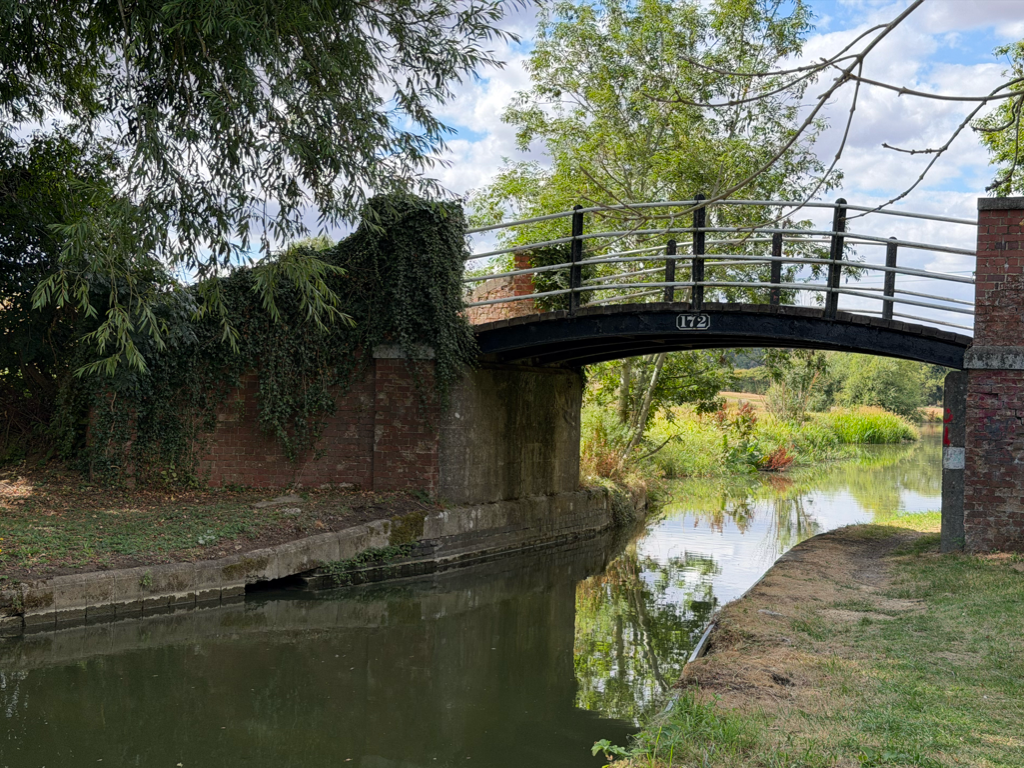
Nadkey
The southern end of the proposed corridor at Nadkey Bridge.
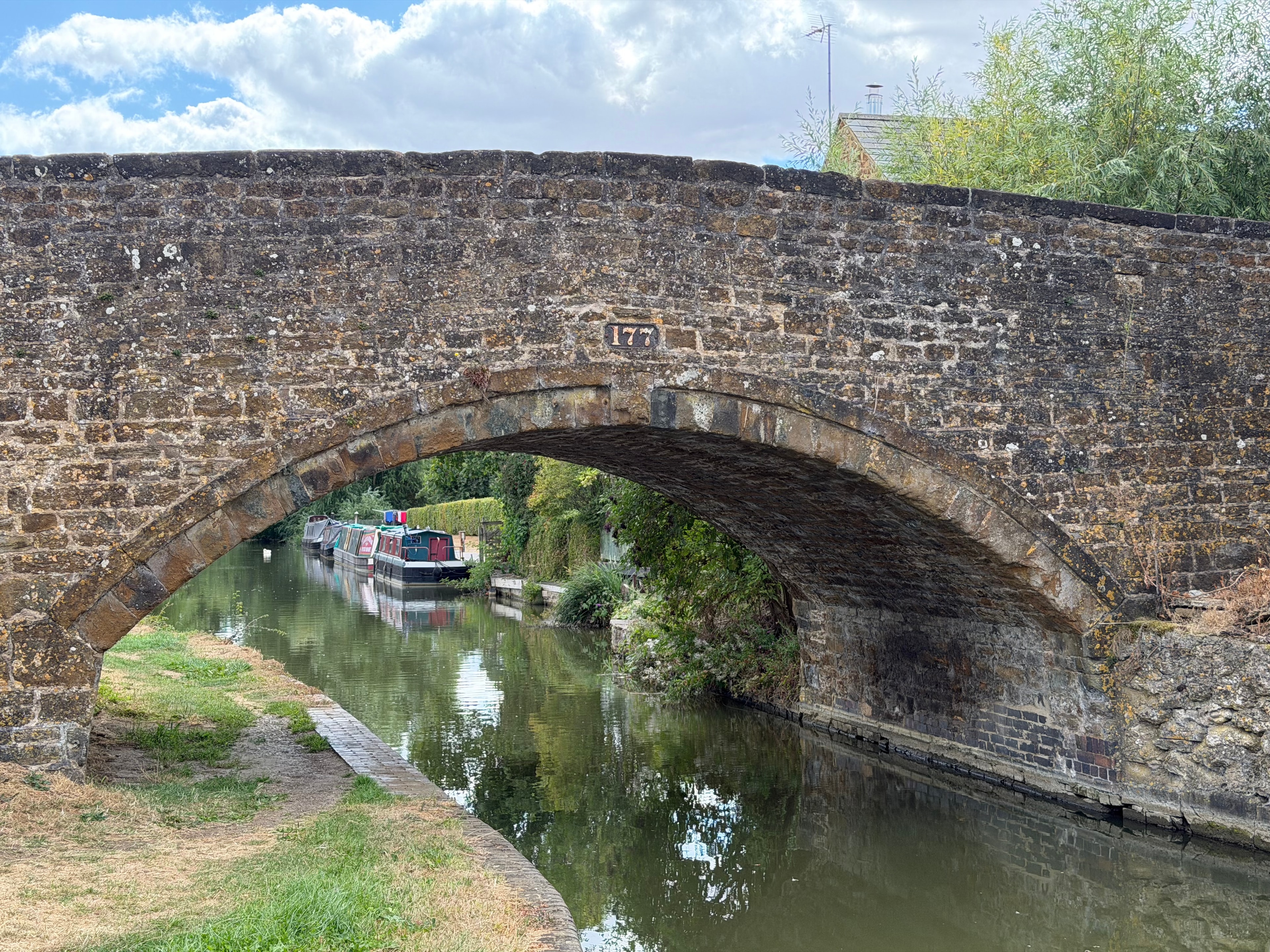
Twyford
A sensible extension of the active travel corridor, some 2.6 km south of Nadkey along the Oxford Canal.
A corridor connecting neighbourhoods
The section between Neithorpe Bridge (161) and Twyford Bridge (177) near Adderbury is particularly well placed to function as an active travel corridor, linking residential areas with the town centre, employment sites and key public amenities while encouraging healthier and more sustainable travel choices. As concerns about congestion, air quality and carbon emissions continue to grow, the canal towpath presents an existing asset that can help meet local transport objectives without the need for extensive new infrastructure. The route already offers a direct and attractive environment for walking, wheeling and cycling, separated from busy roads and surrounded by green and blue space. This setting makes active travel more appealing for people of all ages and abilities, particularly those who may be deterred by traffic on the wider road network.
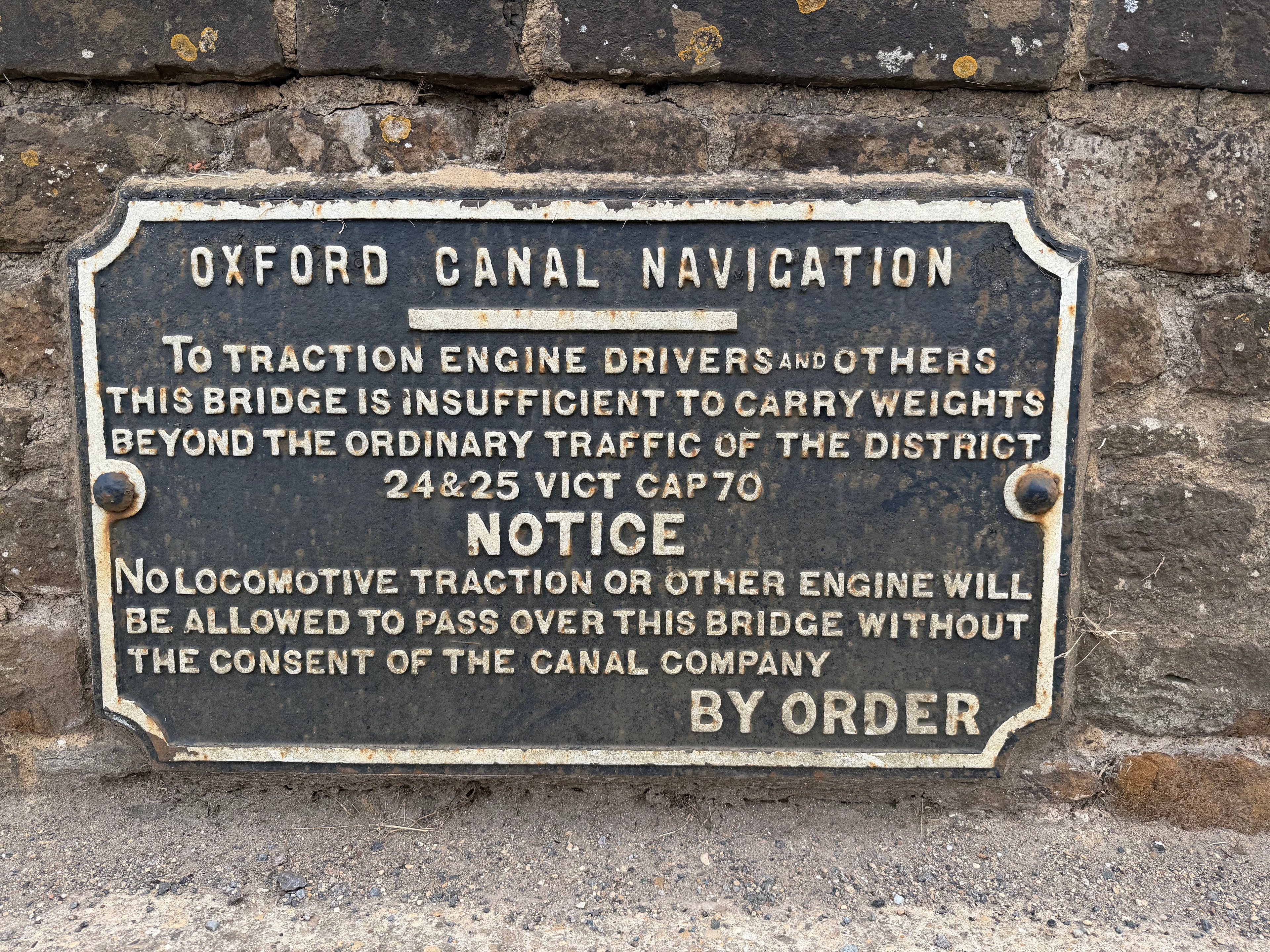
Everyday journeys without a car
The stretch between Neithorpe and Nadkey passes through areas of significant residential population, creating opportunities for local journeys to be undertaken without a car. Improved access points (such as a new bridge at Lock Drive, Longford Park [///rotate.branded.clay]), upgraded surfacing and better lighting where appropriate could further increase year-round use. Such enhancements would support short everyday trips, including journeys to schools, shops, healthcare facilities and employment locations, helping residents incorporate physical activity into their daily routines.
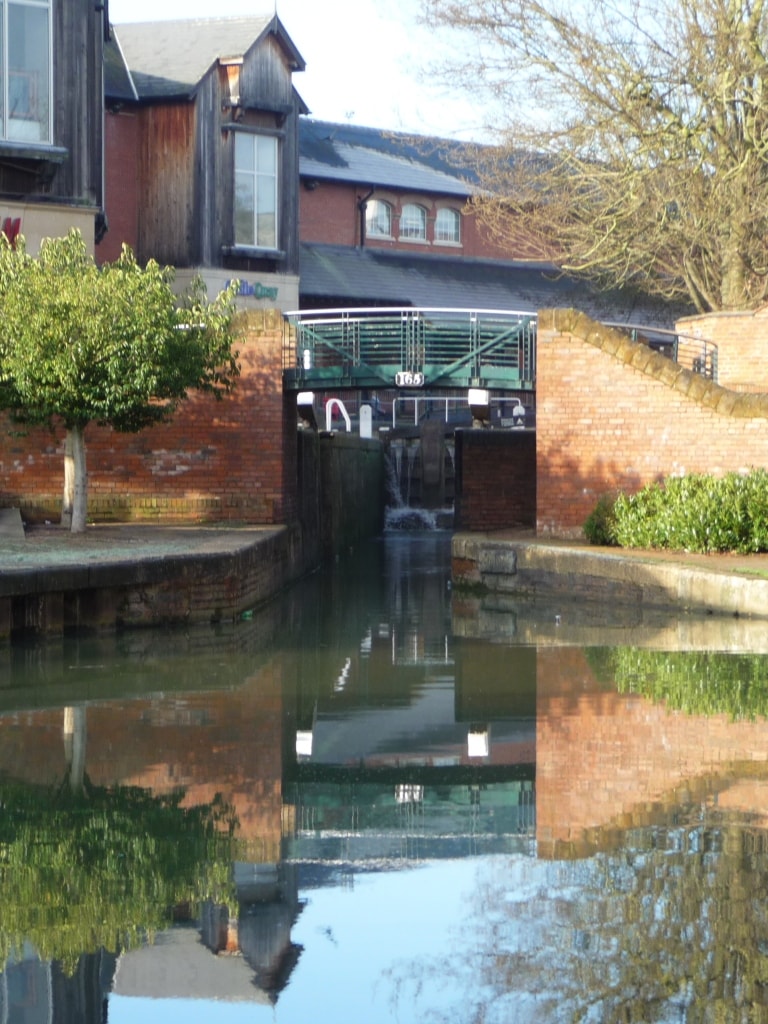
Environmental and social benefits
The canal corridor also contributes to wider environmental and social objectives. Encouraging more walking and cycling can help reduce pressure on Banbury's roads, lower transport-related emissions and improve public health outcomes. At the same time, the canal provides access to nature and green space, supporting mental wellbeing and creating opportunities for informal recreation. The presence of wildlife, historic canal infrastructure and waterside views makes the route more enjoyable than many conventional transport corridors, encouraging repeat use and fostering a stronger connection between communities and their local environment.
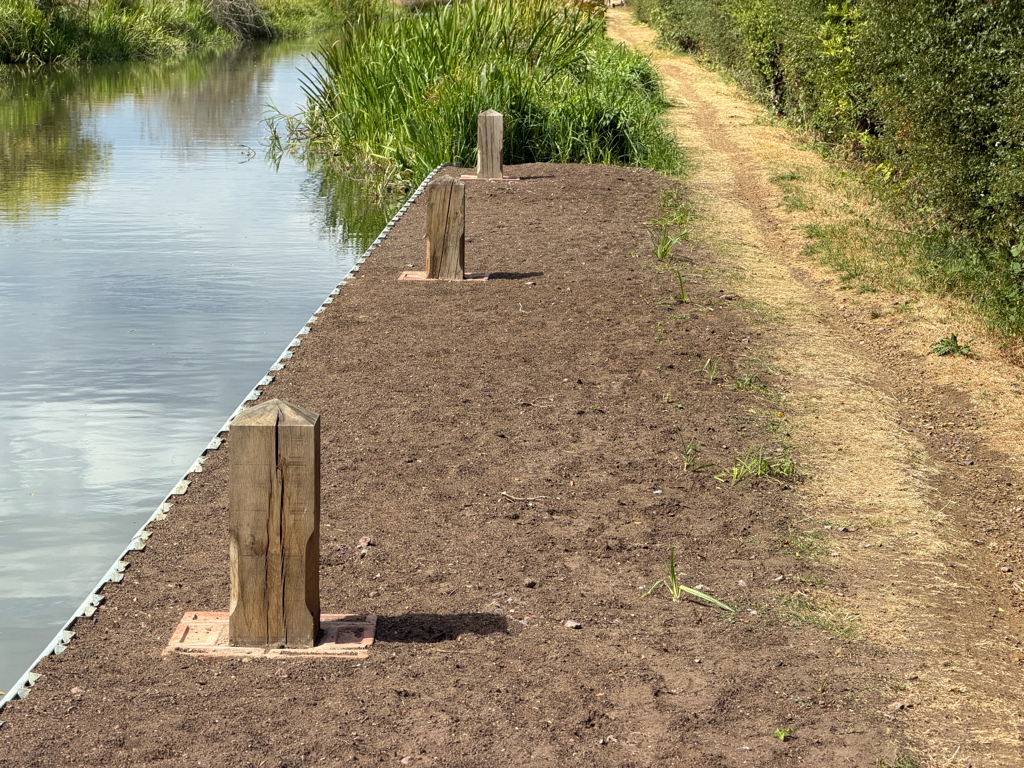
Part of a broader active travel network
Importantly, the Oxford Canal can form part of a broader active travel network across Banbury. By improving links between the towpath and surrounding streets, residential developments and public transport hubs, the route can serve both commuting and leisure purposes. Strategic investment along the section from Bridge 161 to Bridge 172 (or possibly on to Bridge 177, if engineering solutions can be found) would help unlock its full potential as a safe, accessible and sustainable transport corridor. In doing so, the canal could play a significant role in supporting Banbury's ambitions for healthier communities, reduced car dependency and a more resilient local transport system.
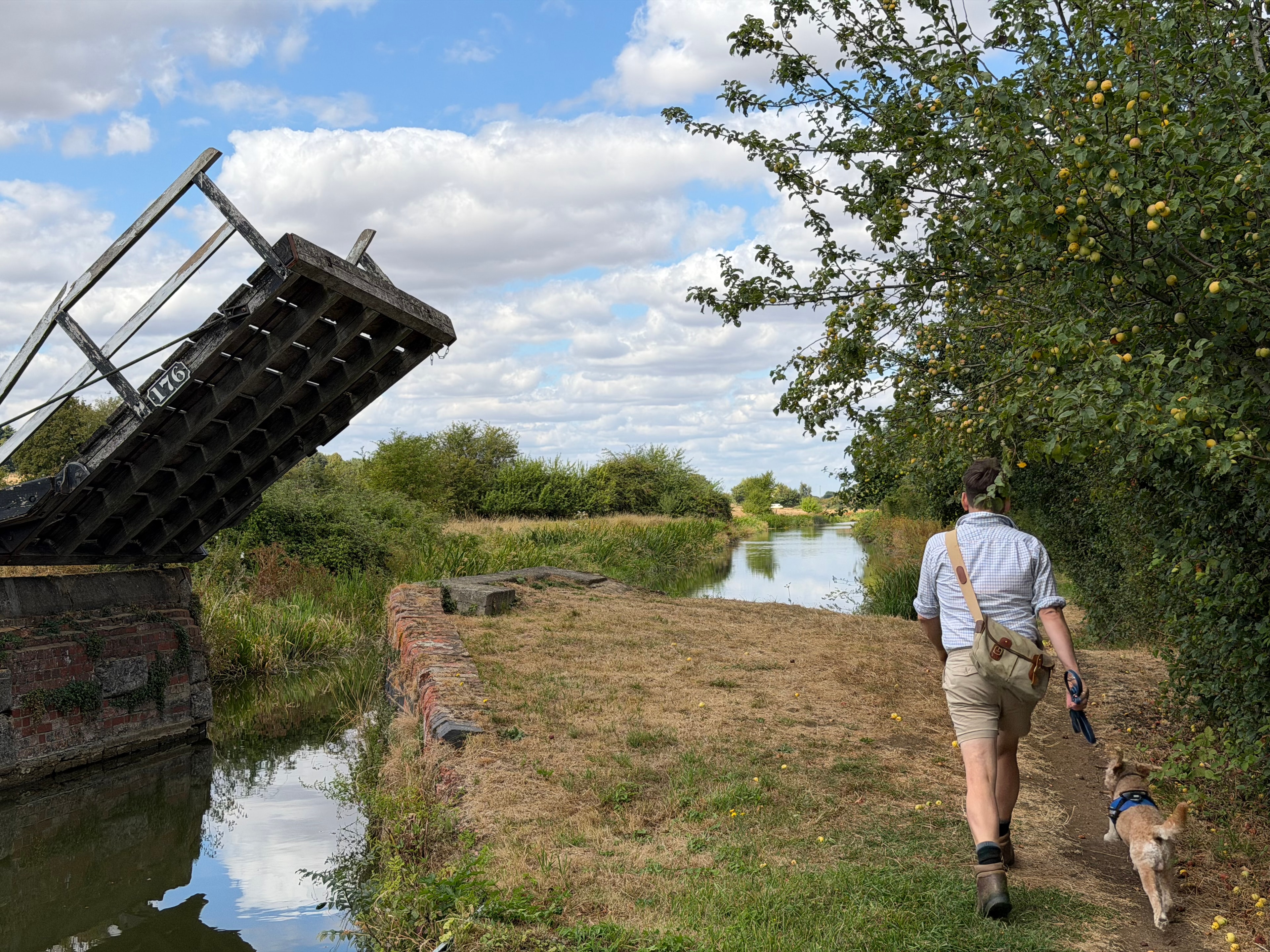
The challenge of extending the scheme to Twyford Bridge
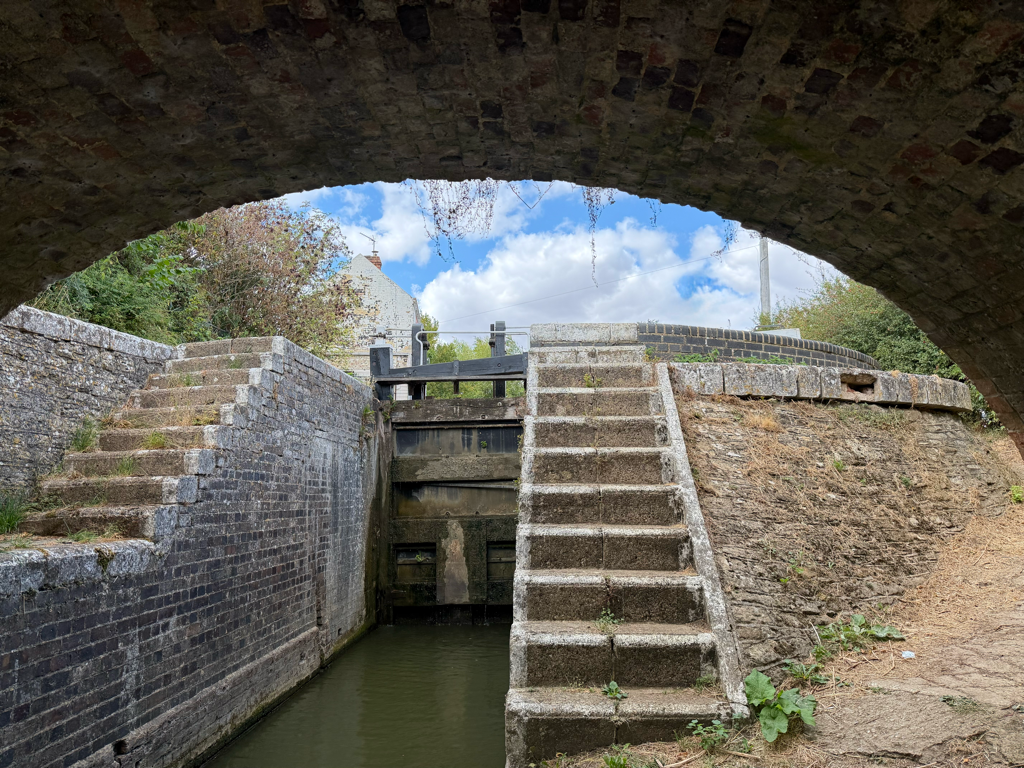
The principal engineering challenge lies at Grant's Lock (30), where a level difference of approximately 2.9 metres must be accommodated. Grant's Lock is Grade II listed and the site is tight between the lock itself and the adjacent Grant's Bridge (174). Any scheme will need to ensure that the route remains accessible to all users, including cyclists, wheelchair users, mobility scooter users, and families with pushchairs. Potential solutions could include a gently graded ramp system, a series of switchback ramps, or a combination of ramps and short retaining structures to minimise land take while maintaining compliance with accessibility standards.
Careful design would also be required to respect the historic canal environment and protect biodiversity along the corridor. Subject to detailed feasibility work, the scheme could create a continuous, high-quality active travel link that enhances connectivity, encourages healthy lifestyles, and improves access to one of Oxfordshire's most valued canal-side environments.
Related campaigns & casework
Other casework connected to Banbury's canal, roads and transport network.
Integrated Transport & Landscape Vision V1.1
Paul-Austin's comprehensive vision document for a more connected resilient Banbury.